
DOCUMENTATION & KNOWLEDGE
Give clinicians a better starting point.
Draft notes, summarize records, and retrieve approved information with source references and clinician review.
Editable drafts. Traceable sources. Human sign-off.
Loading service…
Loading service…Healthcare AI Development & Integration
Turn a promising model into a useful healthcare product. We connect AI to clinical data, operational systems, and the people accountable for its output.
Records · Documents · Workflow data
Retrieve · Summarize · Draft · Classify
Inspect sources · Edit · Approve · Escalate
Start with the work, not the model
Choose a specific workflow, understand its risks, and define the evidence needed to move forward. These are areas we can explore with you—not guaranteed clinical outcomes.
Draft notes, summarize records, and retrieve approved information with source references and clinician review.
Support scheduling, navigation, and service queries with clear permissions and escalation to a person.
Assist with prior-authorization preparation, document extraction, and administrative review across connected systems.
Explore risk models, cohort analysis, and monitoring signals using data and evaluation criteria appropriate to your use case.
The Engineering Beyond the Model
Integration access, data quality, evaluation, and operational ownership shape the delivery plan. We make those dependencies visible before scaling a pilot.
Explore the integration layerUsers, approved data sources, failure modes, and success criteria.
Retrieval, model services, application logic, and EHR interfaces.
Representative test cases, review workflows, and documented limitations.
Monitoring, permissions, auditability, and a plan for exceptions.
Evaluating an integration or product partner? Explore the systems, workflows, and technical decisions behind our work.
Explore all case studies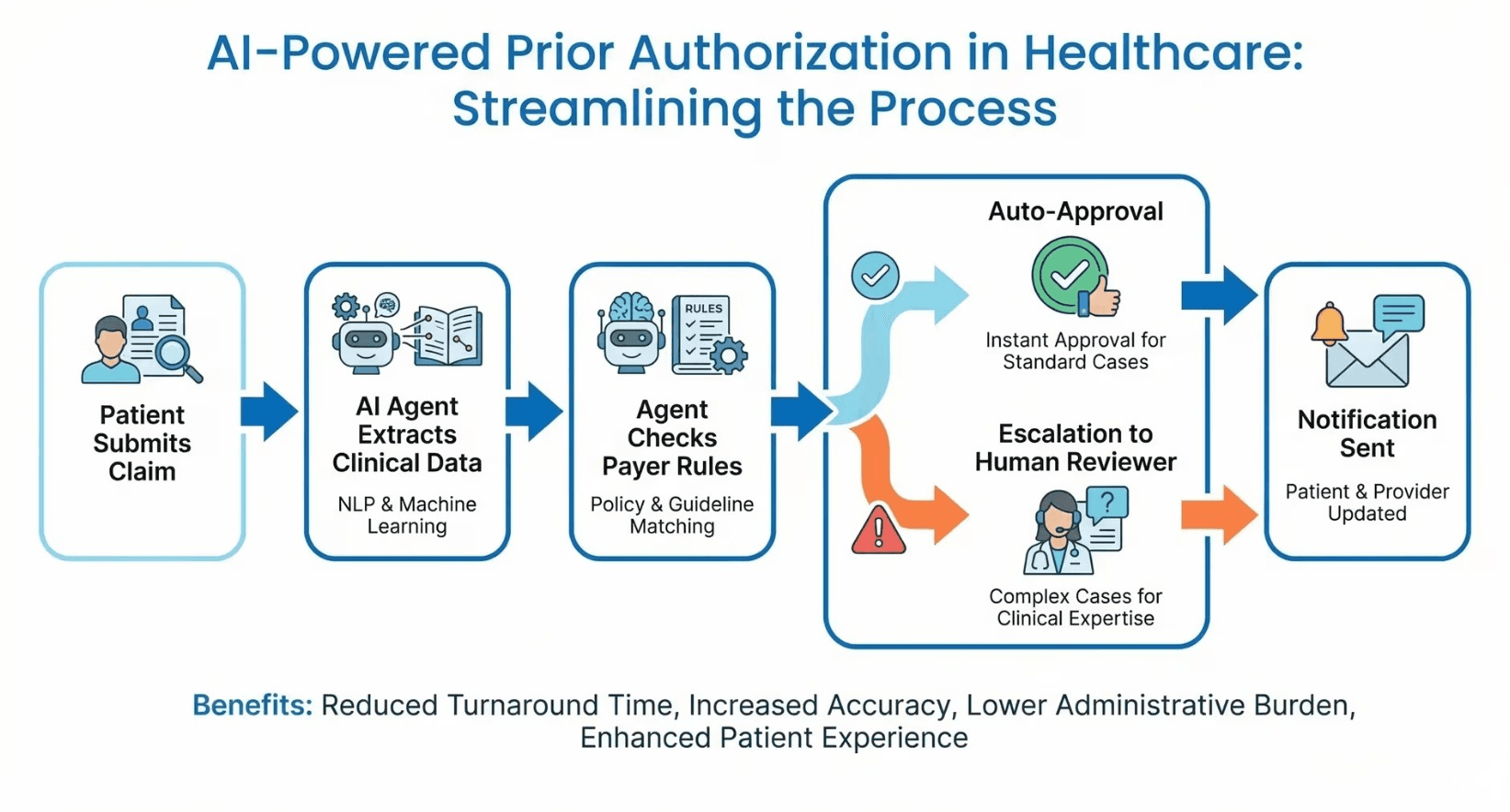 CASE STUDY / 01
The Prior Authorization Crisis in Healthcare Prior authorization (PA) — the process where healthcare providers must get approval from insurance compan...
Explore the implementation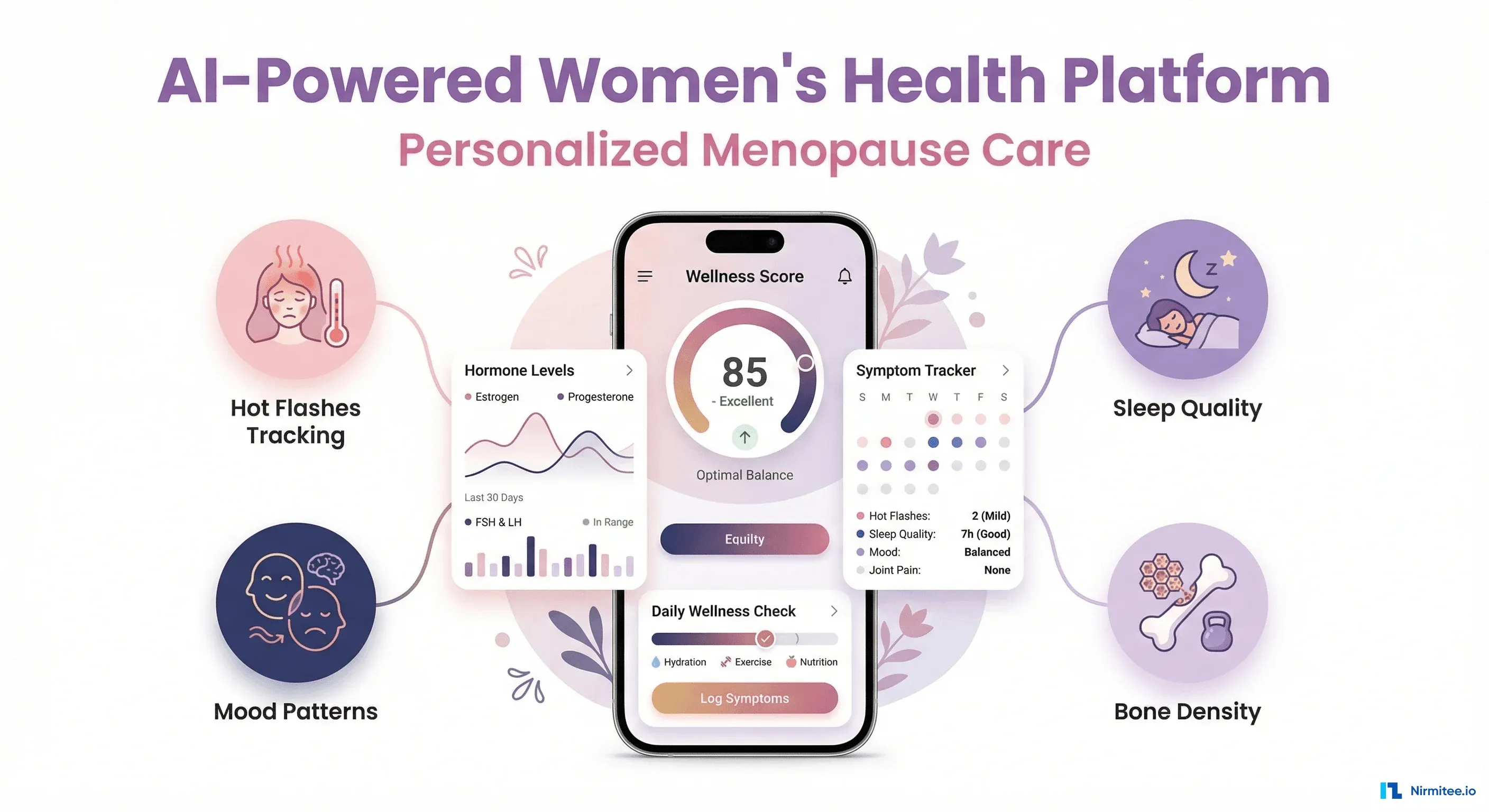 CASE STUDY / 02
Executive Summary Menopause affects 1.3 million women entering it annually in the US alone, yet most receive fragmented, reactive care — bouncing betw...
Explore the implementationYour market. Your review requirements.
For US healthcare products, discuss sensitive-data handling and EHR integration early. For Indian deployments, include ABDM and consent-led exchange where relevant. Define applicable requirements with your security, clinical, and compliance teams.
Practical resources for healthcare teams assessing integration scope, product architecture, and AI implementation.
Browse resources & guidesQuestions worth asking
We assess available interfaces, vendor access, read/write permissions, and the intended clinical workflow. The integration plan depends on the systems and access your organization can provide.
Agree use-case-specific test cases and acceptance criteria with your team. Review output quality, failure modes, source attribution, and the controls needed before release.
The intended use and oversight model must be defined explicitly. Patient-facing or clinical decision-support features require appropriate clinical, safety, and regulatory review; a language model alone is not that review.
A workflow you want to improve, current systems, data availability, and what success would look like. Do not send patient records or sensitive clinical data through the contact form.
Make the next step concrete
Discuss your users, data, integration constraints, and the right starting point for an AI implementation.
Talk through your use case Still planning? Read the AI playbook ↗Use the integration checklist to guide your planning and identify questions to resolve early.