

Nirmitee.io
Radiology & Imaging

Diagnostic Imaging AI

Evaluate an imaging workflow before you automate it.

Plan an imaging AI integration around the modality, intended users and review process. We help scope image access, model evaluation and radiologist-facing outputs. Clinical suitability and regulatory requirements must be assessed for the specific intended use; no diagnostic performance is assumed.

Workflow scoping · Evaluation design · Human oversight · Integration planning

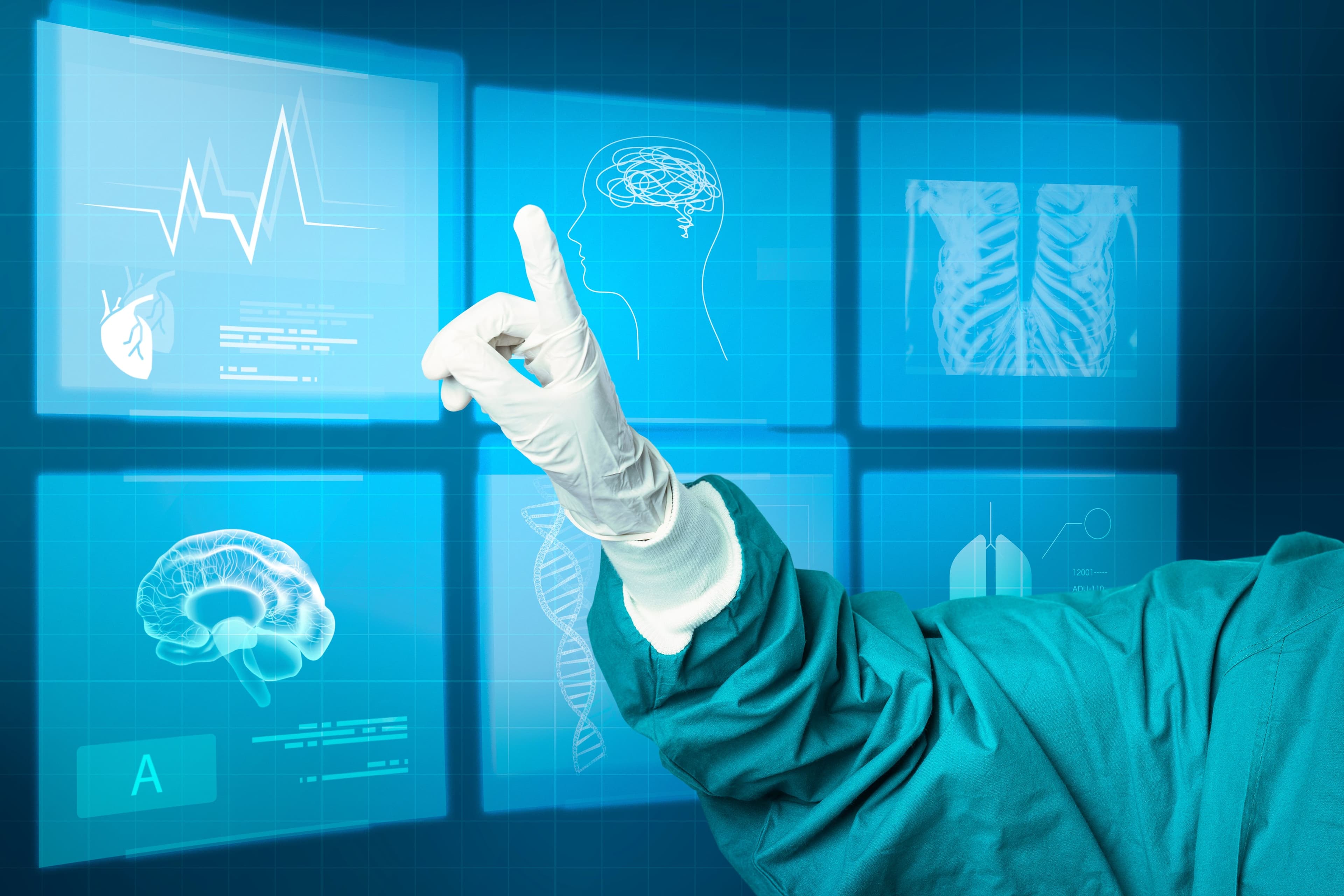
Diagnostic Imaging AI — product illustration

Capabilities

What this agent is designed to support

Review the capability scope against your workflow, data access and human oversight requirements.

Study selection and image-access workflow design

Reviewable model outputs linked to their source study

Versioned model evaluation against a held-out dataset

Exception handling for unsupported studies and acquisition differences

Workflows

Workflows to evaluate

Potential engagement scope, subject to feasibility, permissions and appropriate review.

Assess a radiologist-reviewed worklist support concept

Connect an evaluated model to an existing imaging workflow

Design the review interface for model-generated annotations

Outcomes

What a useful pilot should establish

Set measurable objectives with your team. Outcomes are evaluated, not assumed.

Define measurable review-time and workflow objectives

Make false positives and false negatives visible in evaluation

Keep the reviewing clinician and escalation pathway explicit

Engineering

Agree the implementation boundaries

Use these questions to scope the evaluation, integration and operating model.

Evaluation plan

Agree the intended population, sensitivity/specificity analysis, subgroup checks and clinical review protocol before a pilot.

Performance target

Set a workflow-specific latency target and measure it under representative load. No performance guarantee is implied.

Integration

PACS / image archive, DICOM access and a reviewed results interface; exact interfaces depend on the source system.

Governance checklist

Define access controlsAgree retention and audit scopeReview intended-use requirements

More Agents

Related AI Agents

Explore complementary solutions for your practice.

Implementation decisions

Scope Diagnostic Imaging AI around your workflow

Resolve the questions that change feasibility, effort and operational risk.

What should we bring to a first conversation?

Describe the task, intended users, current systems and the point where a person must review the output. Share data types and constraints, not patient records or credentials. We can then define the discovery and evaluation work.

How will we know whether it works?

Agree the intended population, sensitivity/specificity analysis, subgroup checks and clinical review protocol before a pilot.

The deliverable should include test cases, observed failure modes and a documented decision about whether to proceed.

What needs to connect?

PACS / image archive, DICOM access and a reviewed results interface; exact interfaces depend on the source system.

Confirm permissions, environment access, data ownership and failure handling before estimating the integration effort.

What happens after a pilot?

Agree a staged rollout, monitoring ownership, human escalation and rollback procedures. Clinical use, regulatory review and organisational approvals depend on the intended application; they are not implied by a working demonstration.

Is this the right workflow to start with?

Discuss Diagnostic Imaging AI with our team. We will work through the use case, dependencies and evidence needed for a meaningful next step.

Discuss the use case